Physicochemical investigation of developed composite dyes for thermal dyeing in the finishing of textile fabrics and fibers
УДК 677.3+546.6
Abstract
The article presents extended results of comprehensive studies on the physicochemical regularities of the thermal dyeing process of fabrics based on protein fibers using composite dyes containing salts of polyvalent metals and phenolic derivatives. Particular attention is paid to investigating the influence of the nature of polyvalent metal salts (Fe2(SO4)3, CoCl2, CuSO4, NiCl2), as well as process parameters such as temperature and dyeing duration, on the formation of color characteristics, intensity, depth, and fastness of natural silk coloration.
Experimental results have shown that the composition of the dyeing system plays a decisive role in determining the quality of coloration. It has been established that the most effective system is based on iron (III) sulfate and resorcinol, which ensures uniform, rich, and durable colors with high resistance to physicochemical воздействия. It is demonstrated that increasing the dyeing temperature and prolonging the treatment time of the material in the dye solution enhance the diffusion of the dye into the fiber structure, leading to increased color intensity, greater depth of shade, and improved performance properties.
The obtained results have practical significance and can be used in the development of resource-saving and environmentally friendly technologies for dyeing natural silk, as well as other protein-based textile materials, using next-generation composite dyes.
Аннотация
В статье представлены расширенные результаты комплексных исследований физико-химических закономерностей процесса термического крашения тканей на основе белковых волокон с применением композиционных красителей, содержащих соли поливалентных металлов и фенольные производные. Особое внимание уделено изучению влияния природы солей поливалентных металлов (Fe2(SO4)3, CoCl2, CuSO4, NiCl2), а также технологических параметров процесса — температуры и продолжительности крашения — на формирование цветовых характеристик, интенсивность, глубину и устойчивость окраски натурального шелка.
Экспериментальные результаты показали, что состав красильной композиции оказывает решающее влияние на качество окрашивания. Установлено, что наиболее эффективной является система на основе сульфата железа (III) и резорцина, обеспечивающая получение равномерных, насыщенных и устойчивых окрасок с высокими показателями прочности к физико-химическим воздействиям. Показано, что повышение температуры процесса крашения и увеличение времени выдержки материала в красильном растворе способствуют усилению диффузии красителя в структуру волокна, что приводит к увеличению интенсивности окраски, глубины цвета и улучшению эксплуатационных характеристик.
Полученные результаты имеют практическую значимость и могут быть использованы при разработке ресурсосберегающих и экологически безопасных технологий крашения натурального шелка, а также других белковых текстильных материалов с использованием композиционных красителей нового поколения.
Keywords: protein fibers; natural silk; thermal dyeing; composite dyes; polyvalent metal salts; iron(III) sulfate; resorcinol; hydroquinone; color characteristics; color fastness; resource-efficient technology.
Ключевые слова: белковые волокна; натуральный шелк; термическое крашение; композиционные красители; соли поливалентных металлов; сульфат железа (III); резорцин; гидрохинон; цветовые характеристики; прочность окраски; ресурсосберегающая технология.
Introduction
Under conditions of intense market competition, achieving a wide color gamut and high quality of finished textile products is one of the key requirements of the textile industry. During service, textile materials are exposed to various external factors, including washing, abrasion, and sunlight. Therefore, developing an accessible method for preserving the brightness, color saturation, and color fastness of dyed textile materials during their use is of considerable importance [1–3].
The dyeing process includes the diffusion of the dye to the fiber surface, its adsorption onto the surface, diffusion into the fiber structure, and fixation within the fiber. This sequence constitutes the mechanism of dye formation on textile fibers. Insoluble azo dyes are capable of penetrating textile materials through capillary action and diffusion processes, resulting in intensive coloration.
Dyes are synthesized directly within protein-based fibers and fabrics through the coupling of azo and diazo components, represented by naphthol compounds and diazonium salts, respectively. During the dyeing process, protein-based fabrics are impregnated with an alkaline solution of the azo component, dried, and subsequently treated with an aqueous solution of the diazo component at pH 7–9 under cold conditions. In addition, azogen systems, which collectively refer to the azo and diazo components used for the in situ synthesis of water-insoluble azo dyes, are widely employed. This dyeing technique is known as cold (ice) dyeing and consists of treating fabrics impregnated with an alkaline azo-component solution in a cooled diazonium salt solution, followed by squeezing and aging until the azo-coupling reaction is completed.
In this method, the dye is synthesized directly within the fiber from intermediate compounds. Since the resulting dye is insoluble in water, the dyed material exhibits excellent fastness to wet treatments [4].
However, pretreatment with an alkaline azo-component solution makes this method unsuitable for dyeing natural silk. Conventional methods of dyeing natural silk with direct dyes do not provide sufficiently durable dark shades. Natural silk is commonly dyed with reactive dyes in either alkaline or acidic media. Dyeing in alkaline media provides high color fastness but carries the risk of degradation of the protein fibers due to the action of alkaline solutions at elevated temperatures. In acidic media, the dye is fixed to the fiber mainly through ionic and intermolecular interactions rather than covalent bonds, as occurs during alkaline dyeing [5].
Therefore, the most rational approach to the coloration of natural silk is the development of dyeing compositions based on polyvalent metal salts capable of forming colored compounds directly within the fiber structure.
The objective of this study was to investigate the physicochemical properties of newly developed composite dyes for thermal dyeing applied in the finishing of protein-based fabrics.
Materials
The objects of the study included protein fibers and fabrics, polyvalent metal salts, copper sulfate, iron acetate, nickel chloride, cobalt chloride, sodium acetate, sodium nitrite, resorcinol, sulfuric acid, hydrochloric acid, nitric acid, industrial waste products, and selected inorganic and organic ingredients.
Research Methods
Experimental investigations were carried out throughout the study. The physicochemical properties of the components were determined using chemical, refractometric, and titrimetric analytical methods. The technological characteristics were evaluated using standardized methods, instruments, and equipment in accordance with the relevant GOST standards adopted in the CIS countries.
Results and Discussion
Fibroin, the principal protein component of natural silk, contains a limited set of amino acid residues in its polymer chain, consisting primarily of glycine, alanine, serine, and tyrosine. The amino groups of these amino acids possess lone pairs of electrons on the nitrogen atom, enabling the formation of coordination or covalent bonds with metal ions. The presence of primary amino groups in the polymer substrate also allows diazotization to produce highly reactive diazonium salts. The coupling of diazonium salts with phenols or aromatic amines results in the formation of colored compounds [6–7].
The study investigated the influence of various polyvalent metal salts on the coloration of natural silk organza fabric. The introduction of alkaline earth, transition, and rare-earth metal cations into the dyeing process significantly increased dye uptake, color intensity, color fastness, and the tensile strength of the silk fibers [8-10].
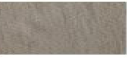
Table 1 presents the color shades obtained for dyed protein-based fabrics using different polyvalent metal salts.
Table 1.
Color shades obtained for dyed protein-based fabrics
| Dyed samples | Polyvalent metal salts |
|---|---|
 |
Fe₂(SO₄)₃ (resorcinol) |
 |
Fe₂(SO₄)₃ (Dyeing with a daily solution, resorcinol) |
 |
Fe₂(SO₄)₃ (pyrocatechin) |
 |
CoCl₂ (resorcinol) |
 |
CuSO₄ (resorcinol) |
 |
NiCl₂ (resorcinol) |
The experimental investigations were carried out in several stages:
1. Evaluation of the dyeability of the selected fabric using polyvalent metal salts in combination with resorcinol and hydroquinone.
2. Investigation of the hue and color intensity obtained with different polyvalent metal salts.
3. Study of the effect of dyeing temperature on the color intensity of the fabrics.
4. Evaluation of the possibility of obtaining stable coloration on natural silk under resource-efficient processing conditions using polyvalent metal salts.
To investigate changes in the color intensity of natural silk materials, the following polyvalent metal salts were selected: Fe2(SO4)3, CoCl2, CuSO4, and NiCl2, with the aim of identifying the most effective and colorfast dyeing system. Laboratory experiments were performed using organza, a thin, matte, stiff, and transparent fabric made of natural silk, as the model substrate.
The dyeing process was carried out under laboratory conditions. The initial dyeing temperature was 40°C in a solution containing a polyvalent metal salt and the dihydric phenol resorcinol (1,3-dihydroxybenzene, m-dihydroxybenzene). The temperature was gradually increased to enhance dye diffusion into the fiber structure [9-10].
The maximum dyeing temperature was 90°C, and the samples were maintained at this temperature for 60 min. In experiments involving iron(III) sulfate, parallel studies were also performed using hydroquinone as a reaction accelerator. In this case, the dyeing solution was aged for 24 h at room temperature before use.
The results presented in Table 1 demonstrate the coloration of natural silk organza using different polyvalent metal salts. The range of colors obtained depends primarily on the nature of the metal ion. As shown by the first entries in Table 1, dyeing with Fe2(SO4)3 in the presence of resorcinol produced different color intensities despite identical dyeing times. Organza dyed for 60 min in a freshly prepared solution exhibited lower color intensity than samples dyed in a solution aged for 24 h. Furthermore, the dyeing composition prepared from Fe2(SO4)3 and hydroquinone resulted in a pronounced change in the color palette accompanied by a decrease in color intensity.
Based on these results, the iron(III) sulfate–resorcinol system was selected for further investigation as the most effective dye-fixing composition. The subsequent stage of the study focused on evaluating the effect of dyeing time on the intensity of the resulting coloration.
Table 2.
Color shades obtained for dyed protein-based fabrics
| Dyed samples | Polyvalent metal salts |
|---|---|
 |
Fe₂(SO₄)₃ (resorcinol), 90°С, 3 min |
 |
Fe₂(SO₄)₃ (resorcinol), 90°С, 5 min |
 |
Fe₂(SO₄)₃ (resorcinol), 90°С, 7 min |
 |
Fe₂(SO₄)₃ (resorcinol), 90°С, 10 min |
 |
Fe₂(SO₄)₃ (resorcinol), 90°С, 30 min |
At this stage of the study, dyeing was carried out under the same temperature conditions (initial temperature 40°C and maximum temperature 90°C), while the fabric holding time was varied at six intervals ranging from 3 to 50 min.
The results presented in Table 2 indicate that a dyeing time of 7 min is sufficient to obtain a color shade comparable to that achieved after 60 min of dyeing. By varying the dyeing time of natural silk in a solution containing a single polyvalent metal salt, it was possible to obtain a wide range of color shades. As the dyeing time decreased, the dyed fabrics exhibited progressively lighter yellowish-brown tones accompanied by a reduction in color depth and intensity.
In the next stage of the study, changes in color intensity were investigated by dyeing the samples in a boiling dye solution based on iron(III) sulfate, while varying the holding time from 3 to 50 min.
Table 3.
Color shades obtained for protein-based fabrics dyed with composite dye formulations
| Painted samples | Painting conditions |
|---|---|
 |
Fe₂(SO₄)₃ (resorcinol), 90 °С, 3 min |
 |
Fe₂(SO₄)₃ (resorcinol), 90 °С, 3 min |
 |
Fe₂(SO₄)₃ (resorcinol), 90 °С, 3 min |
 |
Fe₂(SO₄)₃ (resorcinol), 90 °С, 3 min |
 |
Fe₂(SO₄)₃ (resorcinol), 90 °С, 3 min |
 |
Fe₂(SO₄)₃ (resorcinol), 90 °С, 3 min |
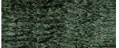
Table 3 presents the results of dyeing carried out without preliminary heating. Under these conditions, the dyed fabrics exhibited brighter colors with lighter shades than those obtained by gradual heating, where the dyeing temperature was increased from 40°C to 90°C. As the holding time of the fabric in the dye bath decreased, the color gradually changed from deep, saturated dark shades to lighter and brighter tones. The samples dyed for 50, 30, and 10 min showed no pronounced differences in color intensity; however, they differed in shade depth from the other samples. A sharp decrease in color depth was observed when the dyeing time was reduced to 7 min. With a further reduction in dyeing time, the fabrics developed more muted, earthy color tones.
The dyeing duration also had a significant effect on the hue of the samples. As the dyeing time decreased, reddish shades gradually appeared, while the deep green coloration progressively shifted toward reddish tones.
The subsequent stage of the investigation focused on evaluating the influence of dyeing temperature on the color characteristics of the samples while maintaining a constant dyeing time.
The experiments were performed using the selected iron(III) sulfate system under two different temperature regimes: (I) gradual heating from 40°C to 60°C and higher over a period of 10 min, and (II) dyeing in a preheated solution maintained at 60°C and above for 10 min. It should be noted that resorcinol was used as the fixing component in all experiments.
Table 4.
Color shades obtained for protein-based fabrics dyed with composite dye formulations
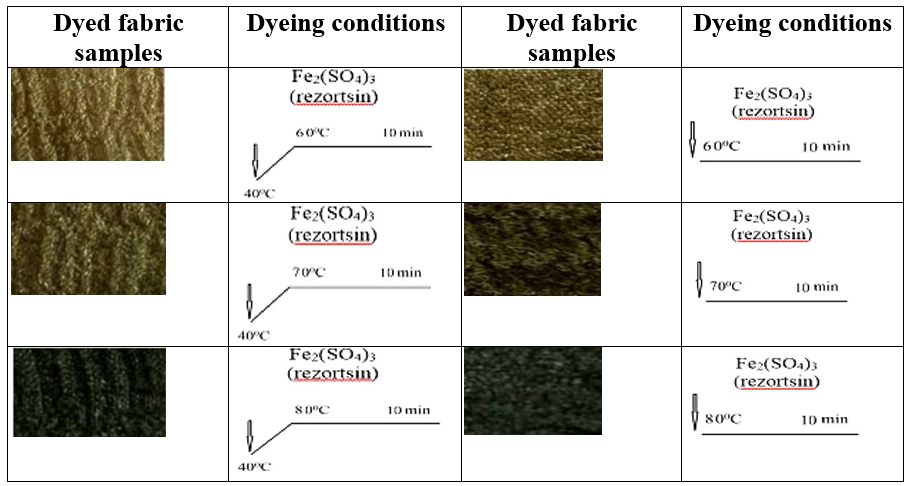
Comparison of the dyeing results obtained by gradually increasing the temperature from 40°C to 60°C over 10 min with those obtained under identical conditions at the maximum temperature of 90°C revealed a pronounced color transition from deep, saturated dark green to lighter golden shades. Furthermore, dyeing under continuous temperature increase resulted in enhanced color intensity and greater shade depth.
Based on the results presented in Table 4, it can be concluded that the temperature gradient has a significant influence on the dyeing process. The increase in dyeing temperature, together with continuous heating, promotes higher color intensity and deeper shades in the dyed samples. Stepwise temperature elevation produced brighter and lighter colors with a characteristic luster over the entire temperature range, whereas higher dyeing temperatures resulted in considerably greater color depth and saturation. The possibility of obtaining stable coloration at the minimum temperature of 40°C was also investigated.
Additional experiments were carried out under constant-temperature conditions (40°C) while varying the holding time in the dye bath from 10 to 60 min. The objective of this stage was to evaluate the feasibility of dyeing at the minimum temperature and to investigate the effect of dyeing time on color development under these conditions. The corresponding results are presented in Table 5.
Table 5.
Color shades obtained for protein-based fabrics dyed with composite dye formulations
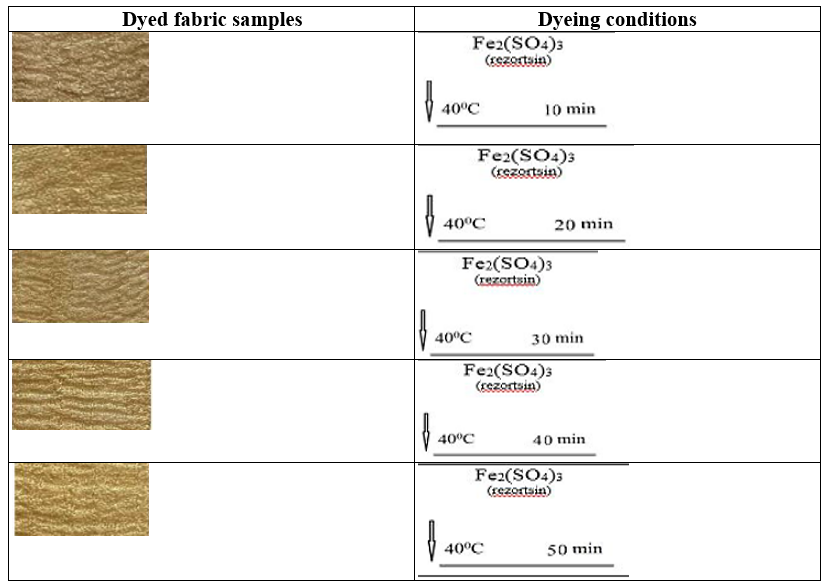
The results presented in Table 5 confirm the existence of a minimum effective dyeing temperature for natural silk treated with a resorcinol solution containing polyvalent metal salts, which is sufficient to produce dark, highly intense colors with considerable shade depth. These findings also demonstrate the feasibility of dyeing natural silk fibers while maintaining high color intensity and shade depth even under relatively low-temperature conditions.
Conclusion
The study established that the principal factors influencing the shade depth of dyed fabrics are the dyeing temperature and the holding time of the material in the dye bath. The use of polyvalent metal salt solutions at elevated temperatures makes it possible to obtain and maintain bright, saturated, and durable colors on dyed textile materials.
The duration of the dyeing process also has a significant effect on color brightness and saturation. As shown in Table 5, both parameters increase progressively with increasing holding time of the fabric in the dye bath, resulting in deeper and more intense coloration.
References